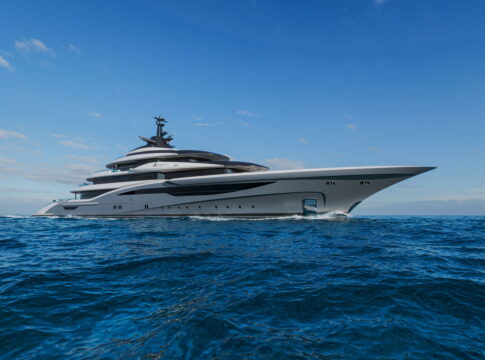



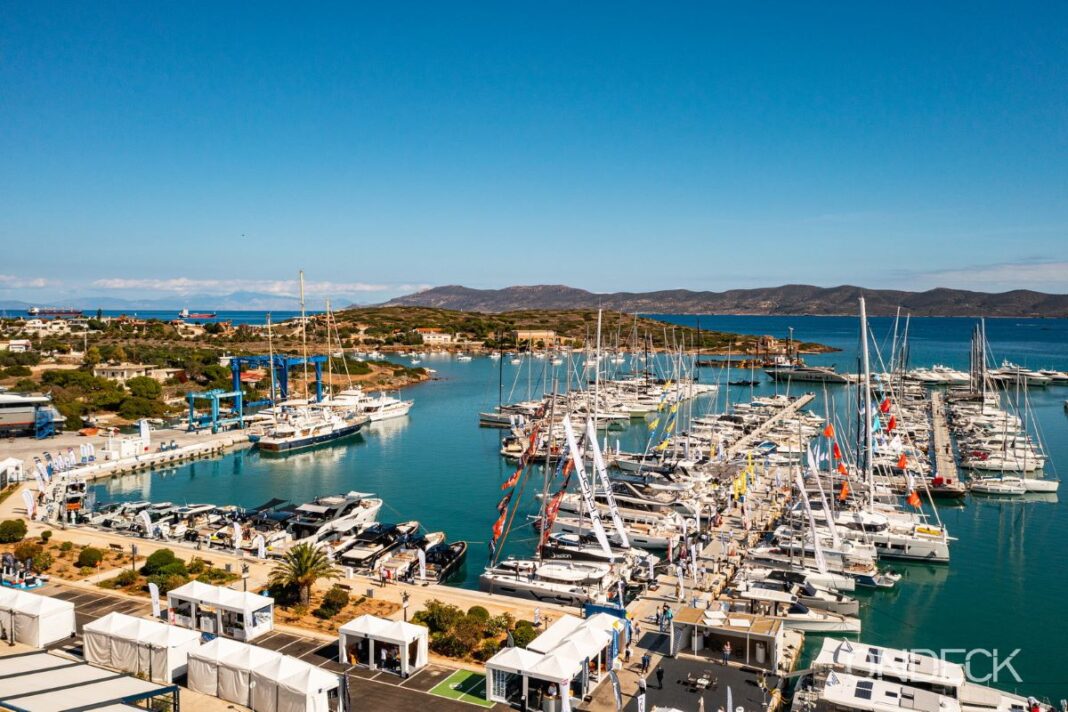
The Olympic Yacht Show 2026 highlights the robust expansion of maritime tourism, serving as the definitive benchmark for the industry’s strategic evolution.
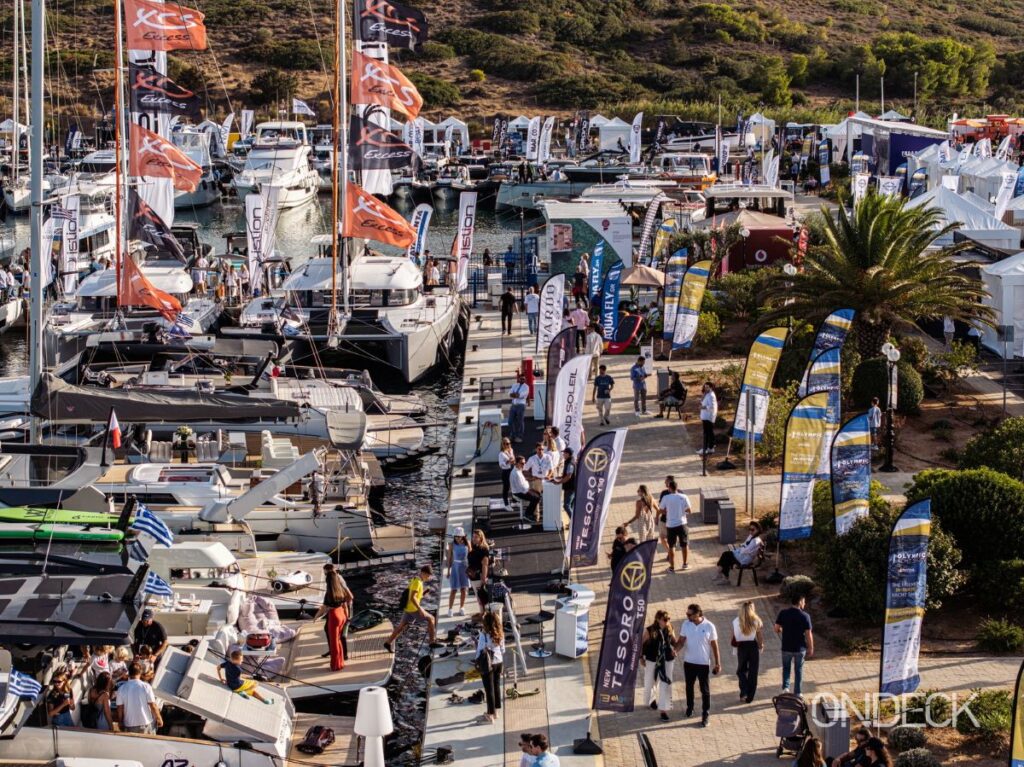
Historically a vital pillar of Greece’s national economy, maritime tourism finds its ultimate reflection in the Olympic Yacht Show. Established as the premier barometer for yachting across Greece and the Eastern Mediterranean, it stands as the region’s only in-water exhibition focused exclusively on boat sales. Far beyond a traditional trade show, it operates as an accurate index for the entire sector. Participation has become essential for leading companies operating in Greece and the Balkans; missing this key business forum effectively means stepping back from the core platform driving the region’s nautical future. The trajectory of the show directly mirrors market conditions. When the event expands, it underscores the resilience and upward momentum of the entire sector. Conversely, any shift within the institution serves as a precise indicator, reflecting real-time market pressures, structural realignments, and broader industry challenges.
The widespread growth recorded during the previous edition was further validated by 2025 tourism data. According to research by Greek Trip Planner (Greece Tourism Statistics 2025: Record Revenue Amid Shifting Patterns), the industry underwent a structural and qualitative upgrade. Total national tourism revenues rose to €22.4 billion (+8.9%), with international arrivals reaching 37.98 million (+5.6%). This performance confirms a clear shift toward high-yield travelers who directly support the maritime sector.
Cruise tourism and port infrastructure also achieved historic milestones. The Port of Piraeus cemented its position as a major homeporting hub, handling a record 1.85 million cruise passengers—over 1 million of whom began or ended their itineraries there, generating significant local economic impact. Simultaneously, the sector is strategically adapting to enhance sustainability and ease pressure on high-density island destinations. The implementation of an 8,000-passenger daily cap on Santorini, alongside the Resilience Fee (up to €20 per passenger during peak season), successfully redistributed maritime traffic. As a result, alternative ports experienced steep growth, with Chania recording a landmark 401,530 cruise passengers (+40%), while Corfu (surpassing 500 port calls) and Thessaloniki further consolidated their positions within the Mediterranean cruise network.
The study also highlights an increase in average visitor spending to €602.20, with US travelers averaging €958.66, further bolstering confidence in high-value maritime experiences. Additionally, the extension of the tourism season into autumn and winter (evidenced by a 208% surge in December traffic at Heraklion Airport) lays the groundwork for year-round maritime activity. This momentum has fueled strong investment in coastal infrastructure, highlighted by the approval of a €524 million strategic investment for a mega-yacht marina in Astakos. This project aligns with a broader wave of luxury segment developments along the Greek coastline, where total investments exceed €12 billion.
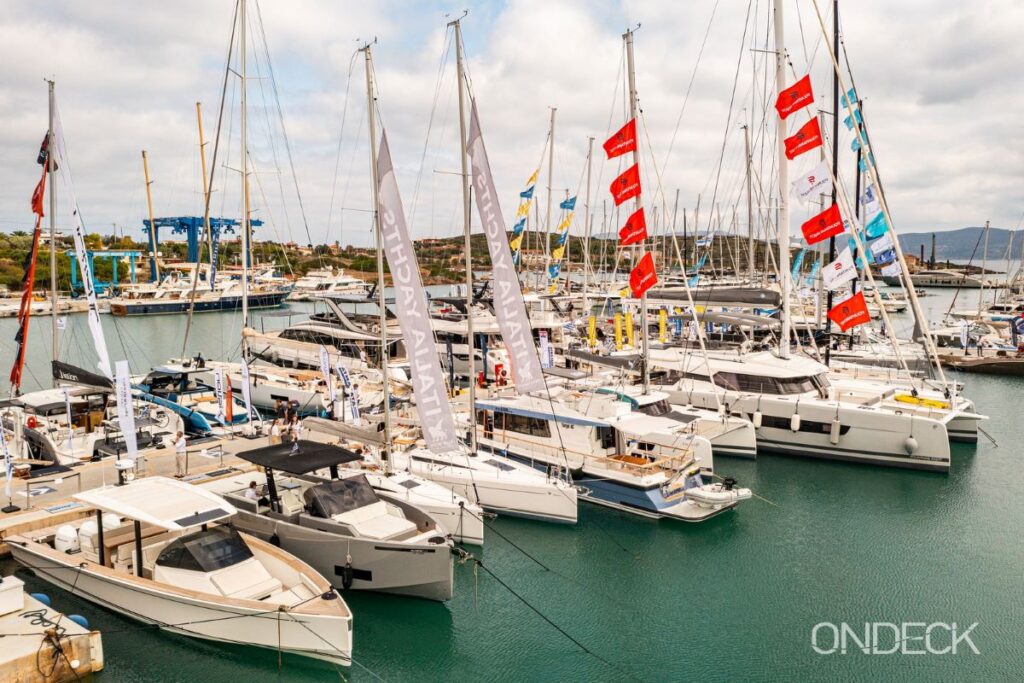
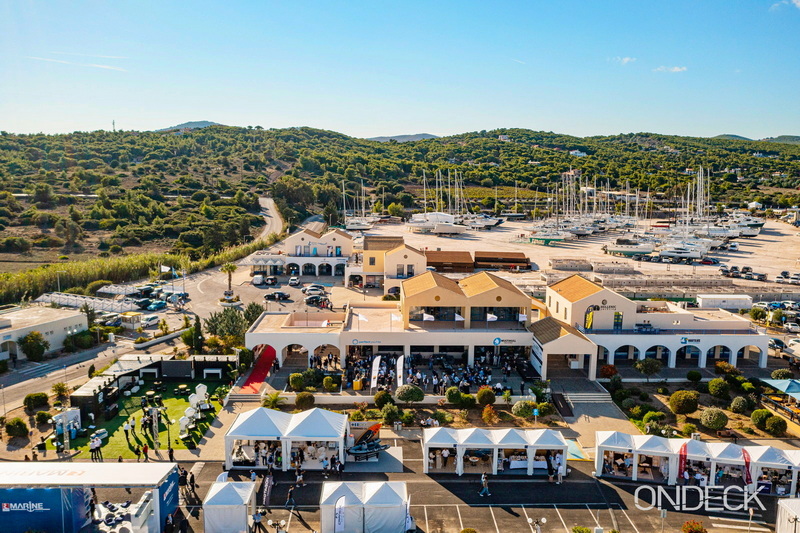
These investment initiatives and market dynamics will take center stage at the Olympic Yacht Show 2026. Bringing together key industry leaders, the sixth edition of the event will take place at the Olympic Marine facilities from October 15–18, serving as the central hub for the commercial developments shaping the future of the regional yachting market.