



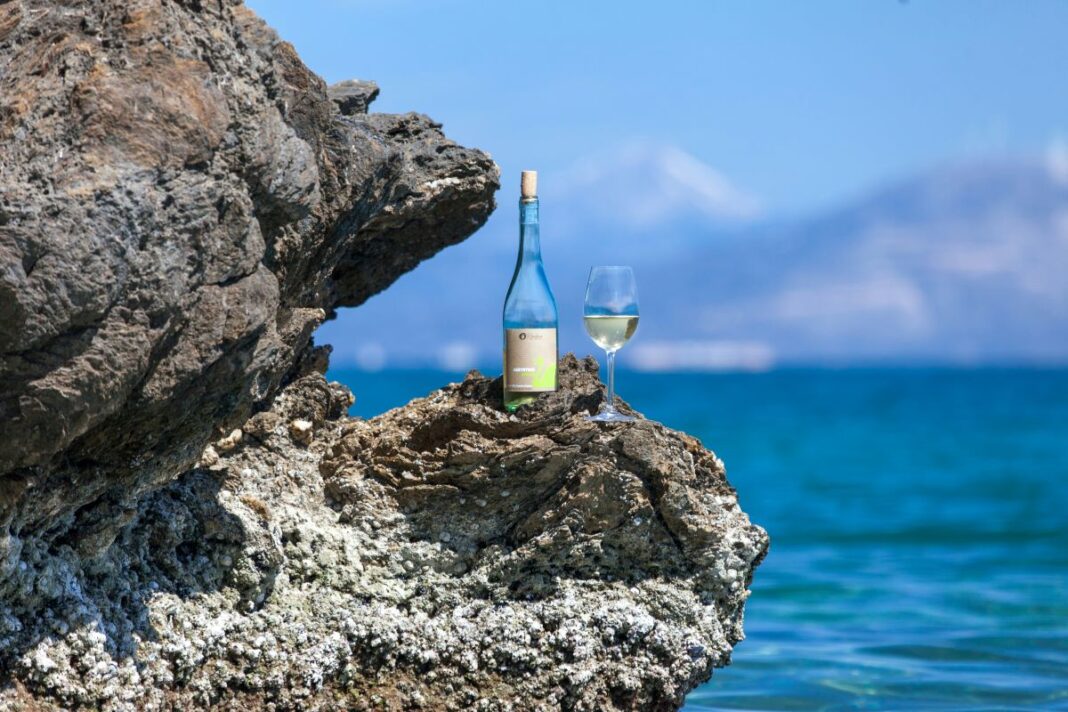
Beyond the sun-drenched beaches, a quiet revolution unfolds. Greece’s rare, indigenous island wines are emerging as the new global luxury, redefining authenticity in every glass.
Words: Tsatsaris Konstantinos
Αmidst the bustling tourist routes, a quiet revolution is afoot. Greece’s “hidden treasures” are no longer just the beaches, but rare, indigenous wine varieties that survive in volcanic soils and steep slopes. The saltiness of the sea and the scorching sun are trapped inside every bottle, creating flavors you won’t encounter anywhere else in the world. Greek producers on the islands are investing in small vineyards and natural winemaking methods. The result? Limited production wines that are becoming highly sought-after at the best international restaurants. The bounty of the earth is what we know as the Greek DNA.
Assyrtiko: The volcanic spirit of Greece
The “king” of island wines and the flagship of Greek wines, the absolute example of how the soil (terroir) shapes the character of a wine, Assyrtiko is not just a wine; it is the volcano of Santorini itself in liquid form. The vines struggle against the winds and the drought. Cultivated on ungrafted vines (pre-phylloxera), aged even over 200 years, this is one of the few varieties worldwide. Explosive acidity, intense minerality, and sea saltiness. A white with the structure and power of a red wine, ideal for aging as well. A wine that managed to turn the ash of the volcanic landscape into the most sought-after flavour of top restaurants worldwide.
Rediscovering the “forgotten” vineyards
But there’s not only Santorini and the famous Assyrtiko. Islands like Tinos, with its granite boulders, Kefalonia, with the steep slopes of Mount Ainos, and Crete with the southernmost vineyards of Europe and a great history in the Mediterranean diet, produce wines with a strong character that “shouts out” their origin.
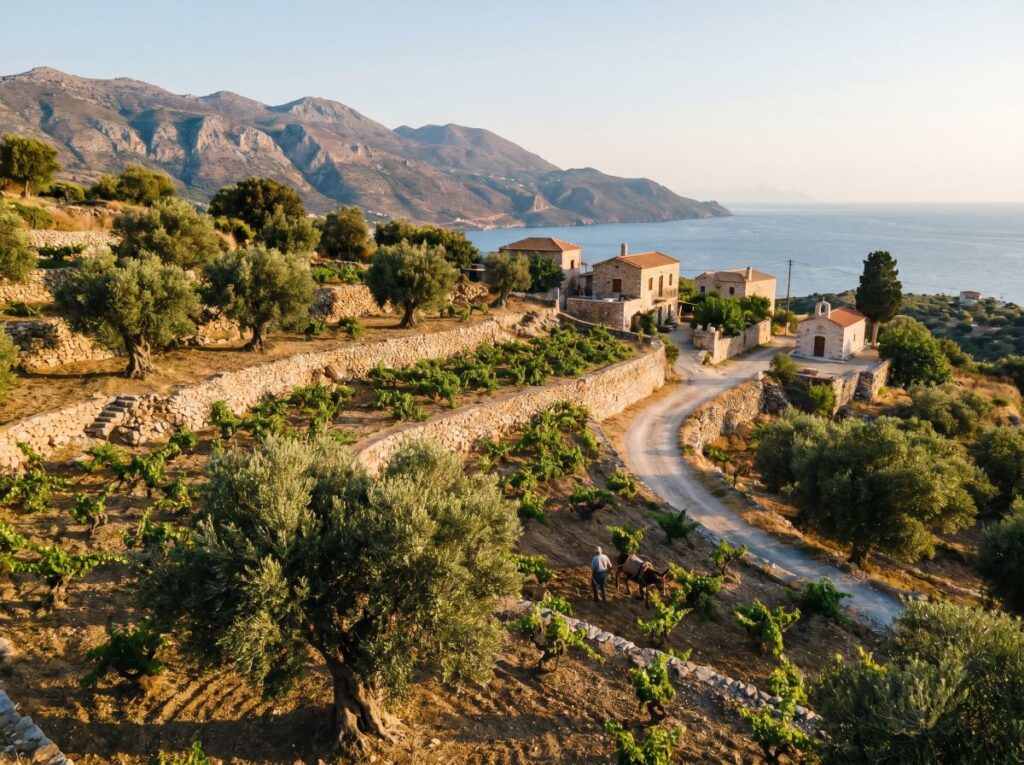
Robola from Kefalonia is the white wine “of the rock,” boasting aromas of flowers and grapefruit with crisp acidity and minerality; a variety promoted by the Venetians in the 15th century as its high acidity provided the stamina needed for trade and transport. Similarly steeped in history, Fokiano carries the heritage of “Pramnian Wine” -the most famous wine of ancient Ikaria, known since the Homeric times for being strong, austere, and high in alcohol. Today, it continues to thrill with its complexity and longevity across islands like Tinos, Ikaria, Naxos, and Leros, offering aromas of wild forest fruits and herbs with a bright, tingly, and mineral character.
Returning to the Ionian, Avgoustiatis stands as the “king of Zante” and one of the most promising red varieties that owes its name to its early ripening in August; once the “house wine” of nobles and landowners, it was a valuable commodity for trade, characterized by its dark red hue, elegant tannins, and botanical notes. Finally, Limnio (or Limnios Oinos) remains one of the oldest varieties in the world, mentioned as far back as 400 B.C. by Aristotle. Known locally as Kalampaki, it offers a profile of fresh red fruits and soft tannins with an earthy, slightly botanical finish that is best enjoyed quite chilled.
Crete: The paradise of rarities
With a winemaking history spanning four millennia, Crete is reclaiming its heritage through a series of exceptional, site-specific varieties that define the island’s modern identity. Dafni is a variety with a distinct scent of citrus, laurel, and rosemary that alludes to the aromas of the Cretan mountains. Alongside it, Plyto is an almost extinct variety that was saved at the last moment, yielding wines with distinct minerality and a flavour reminiscent of fresh melon, and pear. Liatiko is a red grape that loves the heat and produces light-colored, light-bodied wines with aromas of fresh red fruits, which are best enjoyed chilled. Finally, Vidiano stands as the “connoisseur’s white,” combining the freshness of the Cyclades with the volume of the great French whites. Within just 20 years after its renaissance, it has turned from a forgotten variety into the “Next Big Thing” in Greece, with many calling it “the Greek Viognier”.
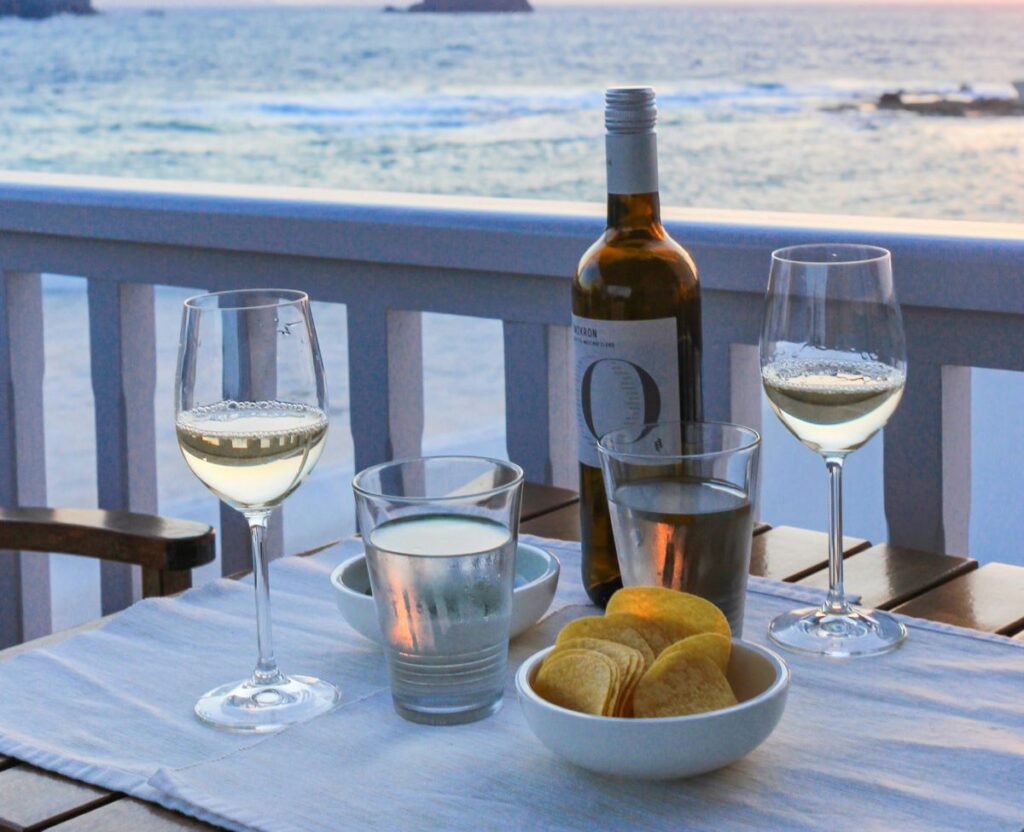
Greek island wines are no longer under wraps, a secret shared by the locals. With indigenous varieties conquering the lists of top restaurants from Paris to Tokyo, Greece proves that authenticity is the new luxury. The hidden gems have come to light and their flavour is fuller than ever. The exploration of the Greek vineyard is an endless map. In a world that is becoming standardized, the island wines remain proudly untamed, and they are our living heritage, a flavour revolution that starts from the soil and ends in absolute pleasure. A toast to the treasures we have learned to appreciate anew.
Read more on: Skipper ONDECK #82