


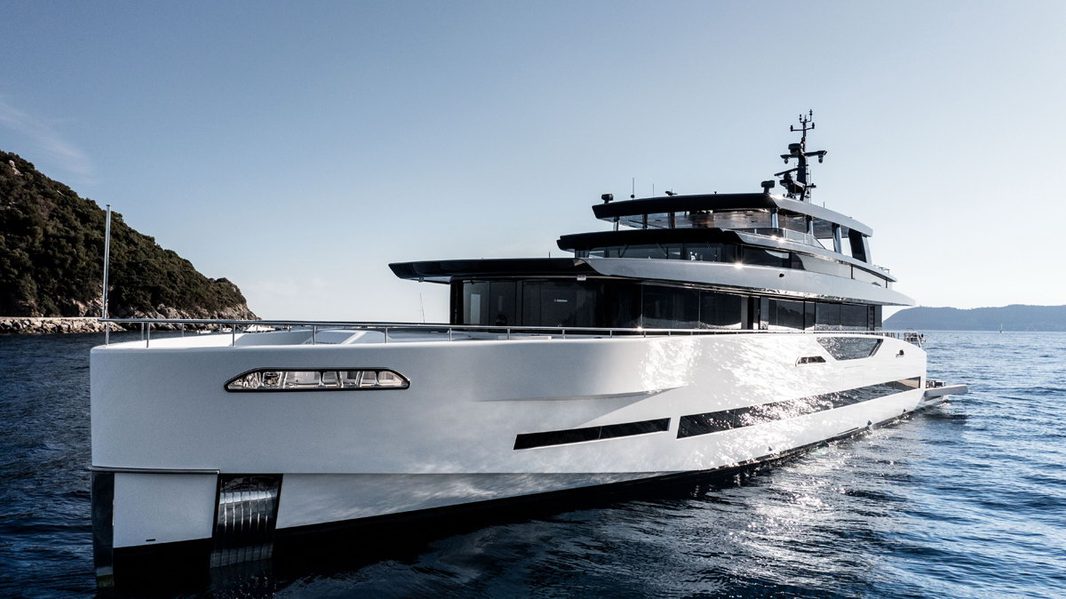
Next-generation propulsion on the GX42 transforms ultra-luxurious cruising, reducing environmental impact without compromising speed, range, or guest experience.
Following her world debut at the Monaco Yacht Show 2026, GX Superyachts presents the GX42, the first yacht in its new 42-metre series and a statement of the company’s vision for a different kind of superyacht lifestyle. Developed by GX Superyachts with design by Marco Casali, naval architecture and engineering input from NAMES and built at SES Shipyard, the GX42 brings together a range of solutions that are individually established in the marine sector but remain unusual in their combination aboard a yacht of this size. At the centre of the concept is not a single piece of equipment, but an integrated energy architecture. Propulsion, electrical generation, battery storage, solar production and hotel loads have been considered as parts of the same system, allowing the yacht to select the most appropriate source of energy according to operating conditions. Beyond efficiency, this integrated approach contributes to the quality of life on board, creating a quieter, more comfortable environment and supporting a contemporary idea of well-being at sea, one defined by calm, connection and ease throughout everyday life on board.
“The GX42 is the result of a very clear philosophy: efficiency should be engineered into the yacht from the outset, rather than added afterwards through individual technologies,” says Vladimir Zinchenko, CEO and Founder of GX Superyachts. “By integrating a parallel hybrid propulsion system, substantial battery storage, solar generation, an efficiency-led hull and intelligent energy management, we have created an energy architecture in which every element works together. Marco Casali’s design completes that vision by transforming this technical efficiency into a remarkably spacious, quiet and comfortable environment for life on board. For us, that is the real innovation of GX42 – technology that improves the experience without becoming the experience itself. “
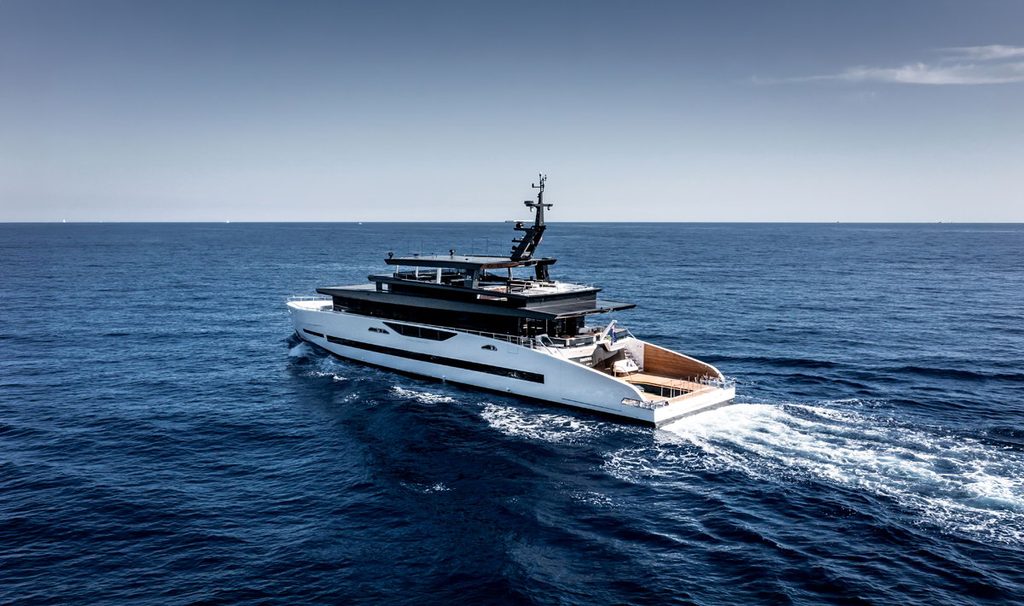
The GX42’s principal technical distinction is her parallel diesel-electric hybrid propulsion system. Unlike a serial hybrid, in which diesel engines primarily generate electricity and propulsion is provided electrically, the GX42 retains a mechanical connection between her main diesel engines and propeller shafts. Electric machines are integrated into the propulsion train, allowing mechanical and electrical power to be combined or used independently according to the vessel’s operating mode. The result is a highly flexible propulsion architecture. Conventional diesel propulsion remains available for sustained cruising and higher power requirements, while the electric side of the system can support lower-load and hybrid operating conditions. The electric machines can also contribute to the yacht’s wider onboard energy strategy when operating in the appropriate mode. The installation is based around two MAN main engines, hybrid system conventional shaftlines. The GX42 is therefore not an electrically propelled yacht carrying diesel generators simply to extend her range; she is a genuine parallel hybrid designed to exploit the strengths of both mechanical and electrical propulsion.
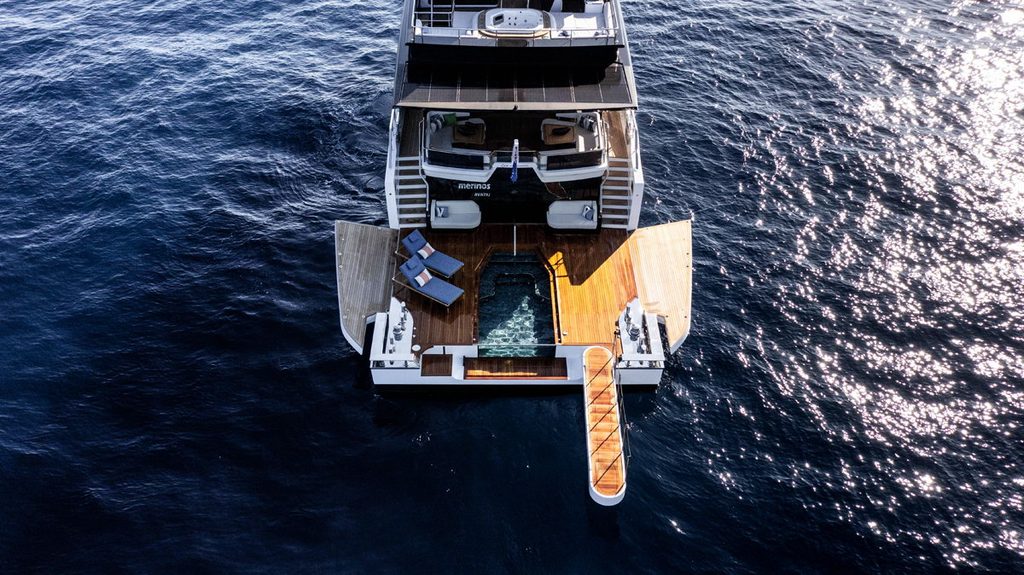
Supporting this architecture is a substantial lithium iron phosphate (LFP) battery installation of approximately 938 kWh nominal capacity, comprising 24 battery modules of approximately 39.1 kWh each. The significance of this battery capacity goes beyond its headline figure. The batteries are intended to support both propulsion-related functions and hotel-energy requirements, allowing the yacht to make greater use of stored electrical energy when operating conditions permit. At anchor, this can fundamentally change the conventional operating model of a large yacht. Instead of continuously running a generator to meet hotel loads, stored electrical energy can supply the yacht during periods of suitable demand. This reduces generator operating hours and can create a substantially quieter, lower-vibration environment, particularly overnight. GX Superyachts has stated a potential up to 48 hours of zero-emission operation at anchor, together with a reduction in onboard electricity consumption of up to 45%. These figures should be understood as stated operating targets and claims, with final performance dependent on factors including hotel load, HVAC demand, ambient conditions, state of charge and solar contribution.
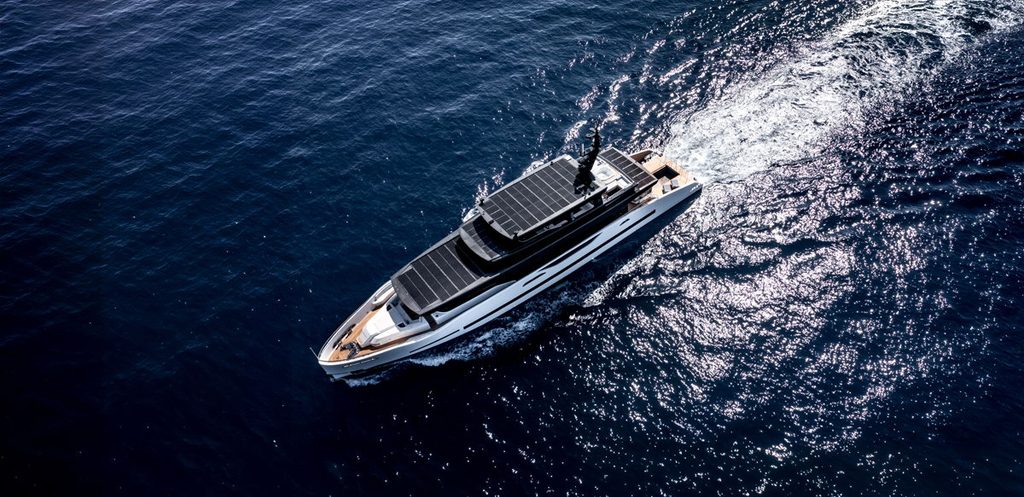
The GX42 also incorporates approximately 27 kWp of photovoltaic generation into her upper surfaces. Solar production is treated not as a stand-alone environmental feature, but as another input to the yacht’s wider electrical ecosystem. Energy generated by the photovoltaic array can contribute to onboard loads and battery charging when conditions allow, reducing the amount of energy that needs to be produced from fuel. The installation includes photovoltaic panels integrated into the yacht’s upper surfaces, including elements associated with the opening sundeck wing arrangement. On a 42-metre yacht, solar generation cannot replace the propulsion engines or provide all hotel power under every operating condition. Its value is cumulative: every kilowatt-hour generated directly from sunlight is energy that does not need to be produced by a diesel engine or drawn from stored battery capacity. Combined with the large battery bank and energy-management system, solar therefore becomes a functional component of the GX42’s operating strategy rather than simply a visible sustainability statement.
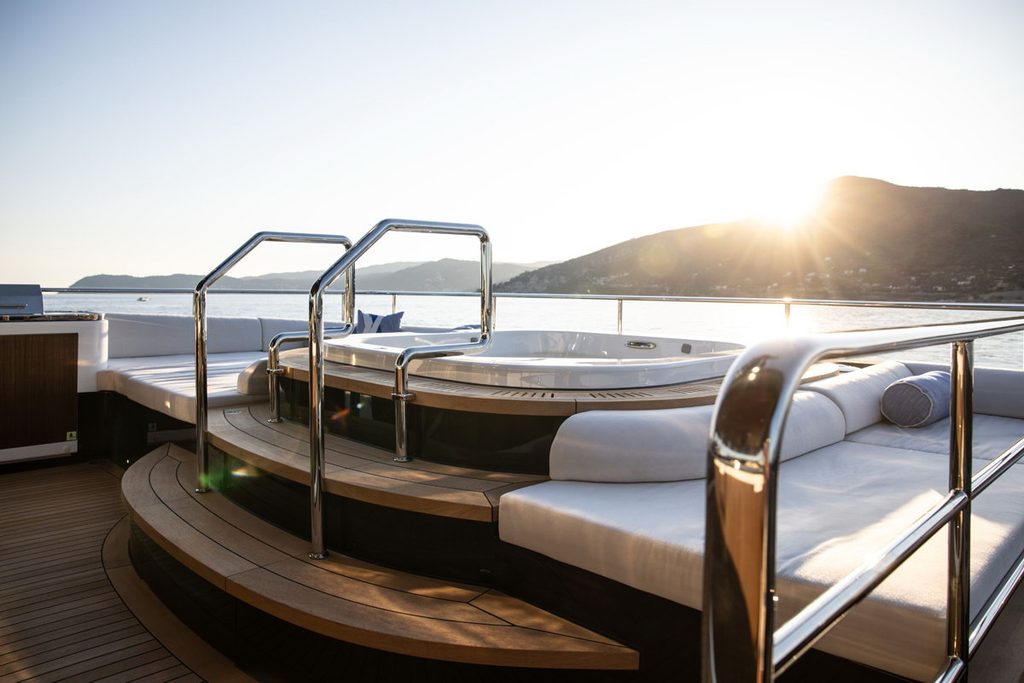
Hybridisation is only one part of the GX42’s efficiency philosophy. The yacht has been developed around a slender, efficiency-focused hull intended for long-range operation, reflecting the principle that reducing the energy required to move a yacht is as important as increasing the amount of energy available to propel her. Current project data indicate an economical cruising point of around 9 knots, with a quoted range exceeding 5,000 nautical miles, while conventional propulsion allows higher cruising speeds. This interaction between hull efficiency and energy architecture is central to the project. A more efficient hull reduces propulsion demand; lower demand increases the operating envelope of the hybrid system; battery storage allows engines and generators to be operated less frequently or closer to efficient load points; and solar generation contributes additional energy without fuel consumption. The result is a systems-level approach in which efficiency is built into the yacht from the hull upwards rather than added through individual technologies.
The engineering choices also have a direct effect on life on board. When the GX42 is operating from battery power at anchor, the continuous combustion-engine noise, vibration and exhaust associated with conventional generator operation can be avoided. Hybridisation therefore becomes a comfort technology as well as an energy and emissions technology. The same philosophy applies to the yacht’s energy management. Rather than requiring guests or crew to actively manage a complex hybrid system, the intention is for the control architecture to coordinate the available energy sources according to demand and operating mode. This is an important aspect of the GX42 concept: sophisticated technology should work largely behind the scenes. The objective is not to make the experience of being on board feel more technical, but to use technology to make it quieter, smoother and more efficient.
None of the individual technologies aboard the GX42 – diesel engines, electric machines, lithium batteries, photovoltaic panels or energy-management systems – is unprecedented in isolation. What is technically distinctive is their integration within a 42-metre, long-range luxury yacht. The GX42 combines a mechanically connected parallel-hybrid drivetrain with close to 1 MWh of LFP energy storage, integrated solar generation, an efficiency-led hull and an energy-management philosophy intended to minimise unnecessary combustion-engine operation while retaining the range and operational flexibility expected of a conventional superyacht. The technical story is therefore not that one technology has replaced another. Instead, propulsion, electrical generation, energy storage and hotel consumption have been approached as one interconnected system.
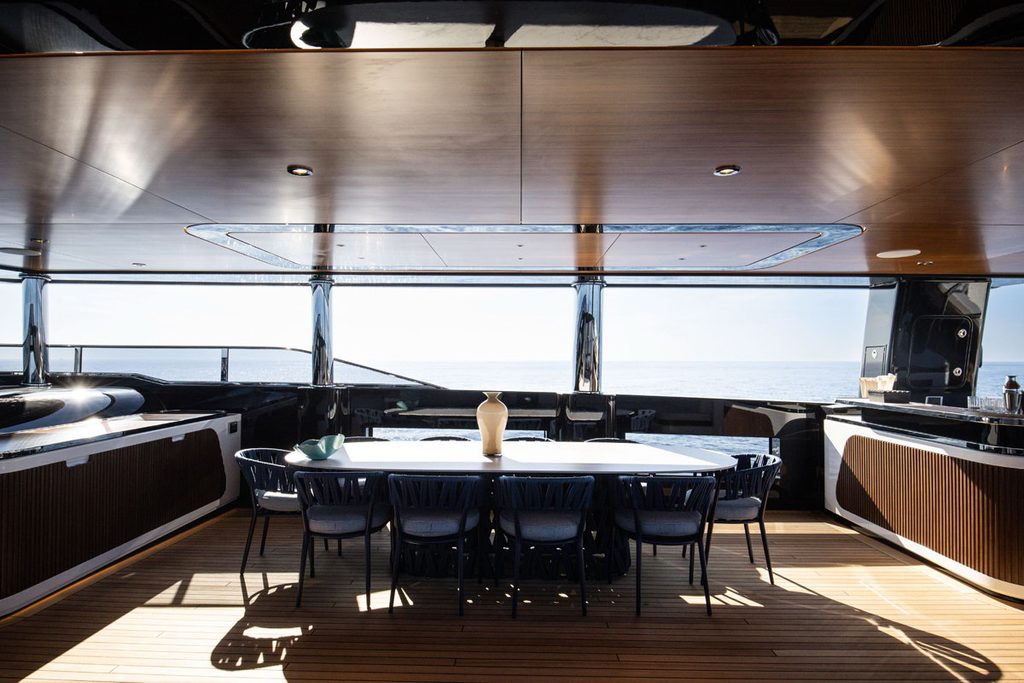
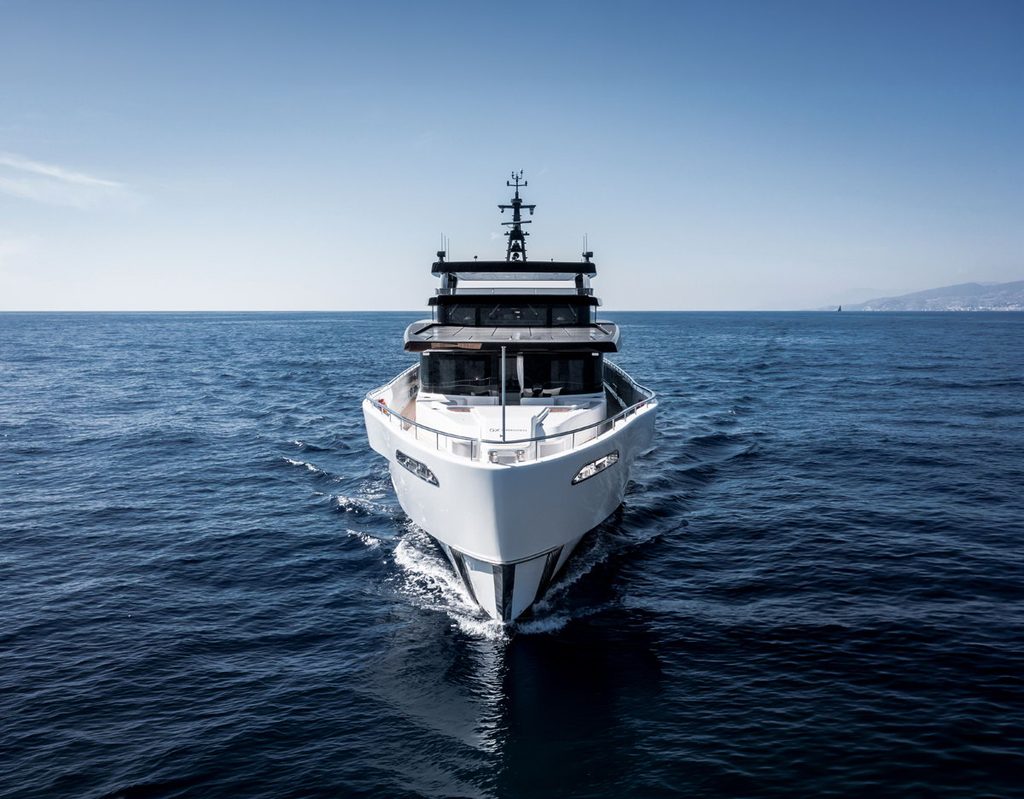
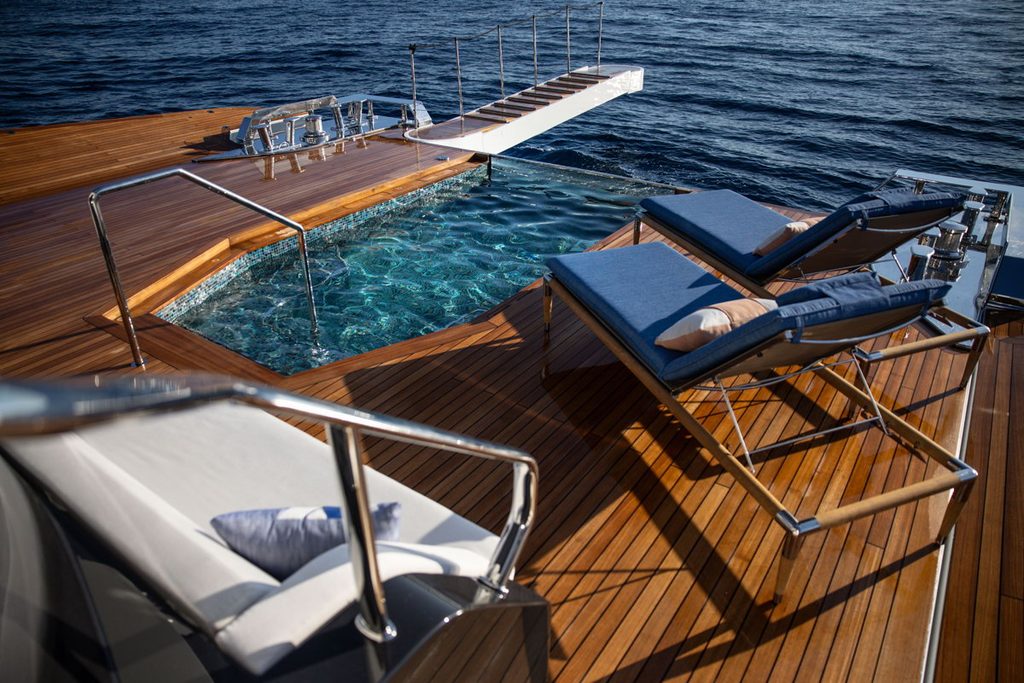
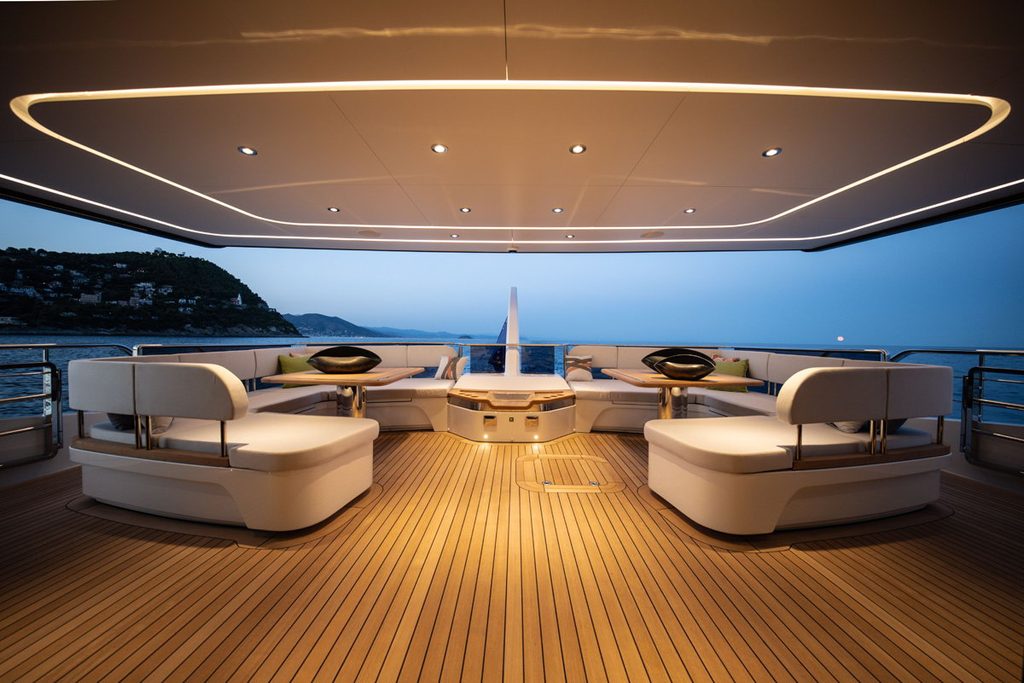
The same integrated thinking extends into the design of the first GX42, where Marco Casali’s interior and exterior styling translates the yacht’s efficiency-led philosophy into a relaxed environment conceived around extended family life on board. The first GX42 is the Raised Pilot House version, with an elegantly curved superstructure and low-profile upper deck. This configuration creates space for a full-beam owner’s suite on the main deck, complete with private foredeck terrace, while the lower deck accommodates a generous VIP suite with fold-down balcony and three additional guest cabins. Social spaces are concentrated around the main and upper decks, with a dining area for 10, comfortable salon, and an expansive upper deck incorporating lounging areas, sunbeds, bar and Jacuzzi. Casali’s design language mirrors the natural, understated character of the yacht’s engineering. Walnut, Italian leather, stone and neutral fabrics create a warm and tactile environment, while broad-radius curves are used throughout – from ceiling details and furniture to mirrors, cabinetry and architectural openings. Backlit Turkish marble, liquid-metal panels and carefully curated artworks provide focal points, while floor-to-ceiling windows maximise natural light. A combination of direct and indirect lighting by Ultra Luce allows the atmosphere to shift from bright and social to intimate and relaxed.
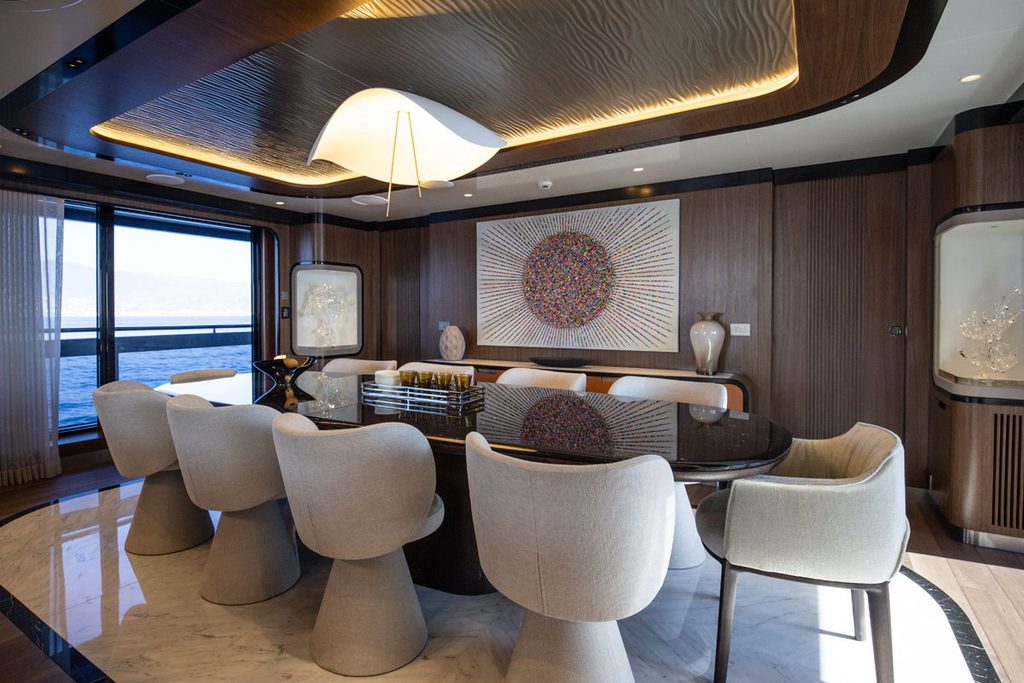
The result is an interior design not as a statement of excess, but as a calm and highly functional environment for extended periods on board. “This is no showboat for flexing the muscles. We worked closely with the owners to realise their priorities for a family-friendly design that favours extended periods on board. By using natural materials like Italian leather, stone and wood, we have created an intensely calming interior, but also one that fits the GX Superyachts principles of Responsible Yachting.” For GX Superyachts, this connection between engineering and design is fundamental to the GX42 concept. The hybrid system manages energy intelligently behind the scenes; the efficient hull reduces the energy required to move the yacht; and Casali’s design uses the resulting volume to create a spacious, quiet and comfortable environment for life on board. The GX42 ultimately brings these elements together as one proposition: a long-range superyacht in which engineering efficiency, hybrid technology, comfort, well-being and design are conceived as interconnected parts of the same experience.