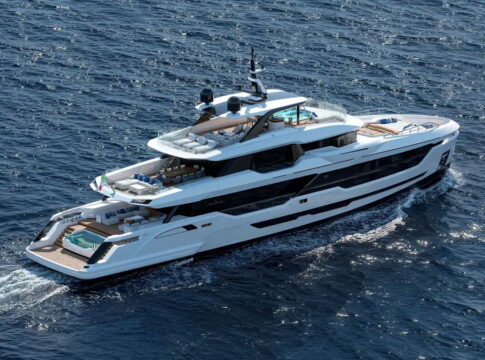



In 2026, the resilient global yacht market is evolving as younger, eco-conscious buyers prioritize remote work capabilities and smarter long-term investments.
The global yacht brokerage market is entering a new chapter in 2026, with younger buyers, sustainability concerns and shifting lifestyle priorities transforming how people buy, sell and use yachts. After the extraordinary pandemic boom that saw unprecedented demand across the marine industry, the market is now stabilising into what many brokers describe as a more balanced and increasingly sophisticated landscape. While overall recreational boat sales softened slightly throughout 2025 amid wider economic pressures, the appetite for premium and lifestyle-led boating experiences remains remarkably resilient.
Resilience in the superyacht market
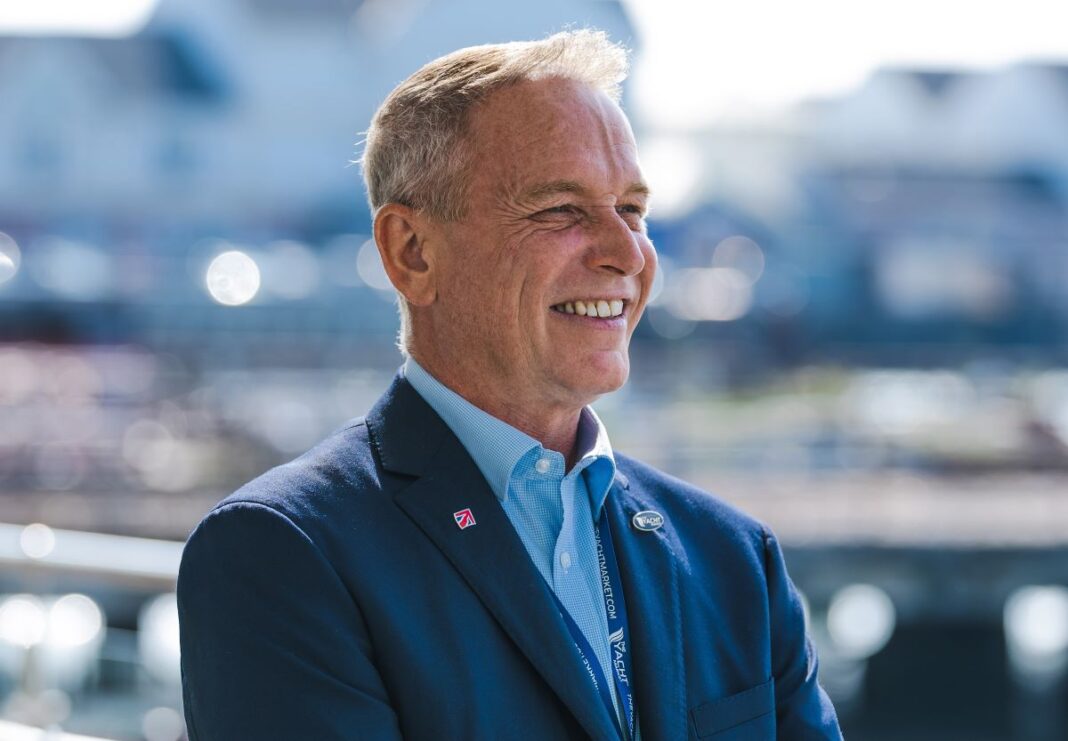
According to the National Marine Manufacturers Association (NMMA), U.S. recreational boat sales declined by 8.8 per cent during 2025, as higher borrowing costs and economic uncertainty impacted consumer spending. However, despite this broader slowdown, the luxury yacht market has remained notably strong. Data published by Denison Yachting revealed that global superyacht sales increased by almost 20 per cent year-on-year in 2025, with 470 sales recorded compared to 392 the previous year. The figures underline the continued resilience of the premium end of the market and signal a shift away from impulse purchasing towards more considered, long-term investment buying. According to yacht brokerage experts at The Yacht Market, today’s buyers are entering the market with very different expectations than those seen just a few years ago. “The frenzy of the pandemic years has naturally settled, but what we’re seeing now is a healthier and more informed market,” says Richard Roberts, CEO of The Yacht Market. “Buyers are taking more time to research, compare and understand long-term ownership costs, but demand for quality yachts and premium experiences remains incredibly strong.”
Demographics Shift: The rise of younger buyers
One of the biggest shifts reshaping the industry is the arrival of younger buyers into the market. Historically associated with older high-net-worth individuals, yacht ownership is increasingly attracting entrepreneurs, tech professionals and lifestyle-focused buyers in their 40s and even 30s. Research from Yacht Market Intelligence suggests the average age of first-time superyacht buyers has fallen from around 56 to below 50 over the last decade, driven largely by new wealth creation in sectors such as technology, AI and digital business. This younger demographic is also changing what buyers prioritise. Rather than purely focusing on status or size, many are seeking flexible, lifestyle-oriented vessels that support remote working, family travel, wellness and adventure. A recent report from Business Insider highlighted how younger yacht buyers are increasingly prioritising onboard connectivity, wellness spaces and sustainability features, alongside practical long-range cruising capabilities. “Today’s buyers are asking very different questions,” explained Richard. “Fast internet connectivity, practical layouts, eco-conscious features and ease of ownership are often just as important as performance or prestige.”
Remote work trends and the sustainability evolution
The rise of ‘work from anywhere’ culture has also influenced buying habits, with many owners now viewing yachts as an extension of their lifestyle and workspace rather than simply a holiday asset. Features such as onboard office spaces, advanced connectivity systems and multifunctional living areas are becoming increasingly desirable, particularly among younger international buyers. At the same time, sustainability is emerging as one of the defining conversations within the marine industry. While luxury and environmental responsibility were once seen as conflicting ideas, the yacht market is increasingly embracing greener technologies and more eco-conscious design. Research from Yacht Market Intelligence suggests that more than 68 per cent of yacht buyers now actively consider sustainability features when making purchasing decisions. This shift is driving growing demand for hybrid propulsion systems, solar integration, eco-friendly materials and fuel-efficient explorer yachts. According to The Financial Times, sailing catamarans and explorer yachts are seeing increased interest from buyers seeking more sustainable and experience-led boating. “The sustainability conversation is no longer niche,” says Richard. “Buyers are becoming far more aware of fuel efficiency, materials and environmental impact, particularly younger clients who expect sustainability to be part of the overall ownership package.”
A cautious, selective, and well-informed Market
Alongside changing buyer priorities, brokers are also navigating a more cautious and selective market overall. Unlike the rapid-fire purchasing decisions seen during the pandemic years, today’s buyers are taking longer to commit, conducting more detailed due diligence and negotiating harder on pricing. Market analysis published by Berthon International found that although enquiry levels have softened slightly in some areas of the brokerage sector, the quality of enquiries has improved significantly, with buyers carrying out extensive research before entering negotiations. “Buyers are better informed than ever before,” commented Richard, “most clients have already carried out extensive online research before speaking with a broker, which means transparency, accurate pricing and trust are more important than ever.”
Digital transformation & market outlook for 2026
Digital transformation is also accelerating within the brokerage sector itself. Virtual yacht tours, video walkthroughs and data-rich online listings are now expected as standard, while international buyers are increasingly comfortable purchasing remotely. As a result, yacht brokerages are investing more heavily in digital marketing, international visibility and technology-led customer experiences in order to remain competitive in an increasingly global market. Geographically, demand patterns are also evolving. While the United States continues to dominate global yacht sales activity, brokers are reporting rising interest from buyers across the Middle East, Asia and Latin America as global wealth creation continues to expand. According to an analysis featured by Business Insider, the global ultra-high-net-worth population is projected to increase by more than 30 per cent by 2030, a trend expected to support long-term growth within the luxury marine sector. Looking ahead to the remainder of 2026, experts believe the market will continue shifting towards smarter, more lifestyle-driven ownership. Pre-owned yacht sales are expected to remain strong as buyers seek value and faster availability, while demand for explorer yachts, catamarans and eco-conscious vessels is likely to continue growing. Research from Yacht Market Intelligence also suggests explorer yachts are now commanding premiums of between 15 – 20 per cent over more traditional motor yacht models due to rising buyer demand.
“The market is evolving rather than slowing,” concluded Richard, “People still aspire to the freedom, privacy and lifestyle that boating offers, but they’re approaching ownership in a more thoughtful and experience-focused way than ever before.” For the global yacht brokerage industry, 2026 may ultimately be remembered not as a slowdown, but as the beginning of a smarter, more modern era of yacht ownership.