


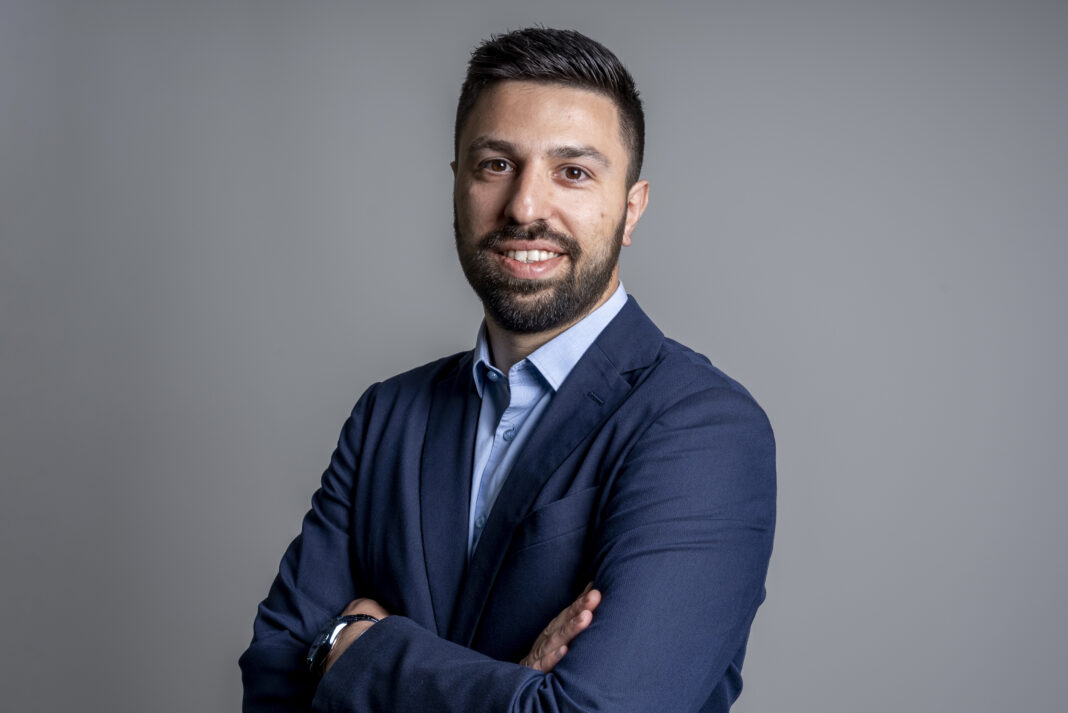
Ioannis Nikoletos, Head of Greece Yachting at RINA, explains how sustainability, AI, and digital twins are revolutionizing superyacht certification, ensuring safety and long-term asset value.
Interview with Giorgos Katsimilis
As the yachting industry embraces sustainability and digital transformation, Ioannis Nikoletos, Head of Greece Yachting at RINA, explores the trends shaping the sector’s future. From the innovative RINA MAXIMA approach to the integration of AI and the SERTICA Yacht platform, he explains how technical services now go beyond simple compliance. Discover how green propulsion and digital twins are driving a new era of safety and asset value.
1. What do you consider to be the most important trends currently shaping the certification inspection and technical services industry?
The yachting sector is being reshaped by three main dynamics: sustainability, digitalization and the growing adoption of advanced technologies throughout the life of a vessel. From a classification standpoint, the industry is clearly moving toward greener and more technologically sophisticated yachts. Even if operational savings are not usually the primary driver, owners are increasingly choosing low emission propulsion, hybrid packages, alternative energy systems and solutions that reduce environmental impact. This shift is supported both by greater awareness among owners and by a regulatory landscape that continues to expand.
At the same time, shipyards and owners are seeking integrated technical support rather than separate certification activities. This has led to the creation of RINA MAXIMA, a dedicated approach for superyachts that accompanies the entire pathway from the earliest design choices to construction, classification and operational assistance. It offers a continuous and consistent framework that improves comfort, sustainability and compliance.
Digitalization is accelerating this transformation. Tools such as digital twins, platforms with real time data and solutions enhanced by artificial intelligence give all stakeholders a shared view of the vessel’s condition and performance. This supports faster decision making and encourages experimentation with new technologies, an aspect particularly relevant to yachting which tends to be more agile than commercial shipping. Overall, the trend is toward larger yachts with higher technological complexity, supported by integrated digital ecosystems and classification models able to accommodate innovation while preserving safety and technical robustness.
2. How are digitalization and the use of artificial intelligence affecting the way organisations operate in quality assurance and technical compliance?
Digitalization and AI are transforming how quality assurance and regulatory compliance are managed in yachting. The variety of rules, which changes according to flag, size and type of operation, makes digital tools essential to ensure precision and uniformity. Digital platforms also enhance the entire inspection process. A recent example is SERTICA Yacht, designed specifically for the needs of yacht operators. It combines planned maintenance, certificates, digital logbooks and operational insights and can be used onboard and ashore. The result is a shared and reliable data environment that improves coordination between shipyards, managers, crews and surveyors. This interconnected approach allows the shift from traditional periodic inspections to continuous digital monitoring and predictive maintenance. It improves safety, reduces inefficiencies and supports a more collaborative ecosystem where all parties work with the same live information. In essence, digitalization and AI create a proactive and integrated approach to compliance, enriching ownership and operational experience.
3. What are the main challenges businesses face when trying to integrate sustainability and energy efficiency standards into their operations?
The main challenge lies in aligning rapid technological progress with regulations that often evolve more slowly. While international standards promote greener solutions, their interpretation differs between flags, generating uncertainty for shipyards and owners. This is especially evident when retrofitting existing yachts. Newbuilds can integrate sustainable technologies from the start, while older vessels must fit new systems into existing structural and operational limits. Hybrid propulsion, energy storage or alternative fuels raise questions that current legislation does not always answer. In some countries, approvals for advanced batteries or hybrid systems are still under development, which complicates compliance. Another obstacle is the availability of supporting infrastructure. Even when a yacht is equipped with state-of-the-art green systems, it still depends on the presence of charging facilities or bunkering for low carbon fuels in the ports it visits. Without consistent shore side readiness, these vessels may face operational constraints. Progress in the sector depends on three elements: clear and harmonized regulations, technologies that can be applied effectively to new and existing yachts and global infrastructure able to support sustainable operations. Classification societies help coordinate these aspects to ensure safety, compliance and long-term viability.
4. How have client needs evolved internationally regarding certification and inspection services in recent years?
Client expectations have evolved toward more comprehensive and responsive services. Owners and management teams no longer want only compliance checks, but continuous technical guidance and fast assistance throughout the yacht’s operational life. An increasing number of owners choose to remain in class voluntarily even when it is not mandatory. Class provides structure, reduces the likelihood of incidents and preserves asset value by ensuring that inspections follow the most up to date rules. Clients are also more proactive. Many owners of newbuilds want to anticipate future requirements, especially regarding sustainability and emerging technologies. This requires classification societies that can support complex decisions from early design phases onward. Operational support has become equally important. Yachts often cruise in remote areas, and delays during peak charter seasons can have commercial consequences. A network of surveyors available at any time is now a decisive factor in selecting a classification society. With yachts becoming larger and more technologically advanced, clients expect coordinated support that covers construction, refits, maintenance and compliance. They seek partners able to handle propulsion innovations, digital platforms and strict regulations with clarity and efficiency.
5. What role do regulations and international standards play in the operations of companies operating across multiple sectors and markets?
Regulations and standards are the basis of safe and consistent operations across sectors and regions. In yachting, where technology evolves rapidly and vessels operate globally, they guide every stage from design and construction to daily operations and periodic checks. New technologies such as lithium batteries or hybrid propulsion bring specific safety requirements for charging, storage and fire prevention, and standards are essential to ensure they are managed correctly. Harmonized standards allow yachts to move between states without facing conflicting requirements, which is crucial for owners and shipyards working at international level. Classification societies support this process by helping clients interpret rules, approve plans, manage statutory certification and adopt digital tools that assist with environmental and operational compliance. Regulations are not only obligations but enablers for innovation and safe growth.
6. Which technological tools or innovations do you believe will have the greatest impact on the industry over the next five years?
Several technologies will significantly influence the sector. Hybrid and electric propulsion will expand as decarbonization accelerates and battery systems become more efficient. Large yachts are already adopting integrated energy management solutions that improve environmental performance and onboard comfort. AI and remote monitoring through connected devices will transform maintenance and safety. Predictive diagnostics will reduce downtime and provide early alerts on potential issues, giving managers a clearer understanding of vessel behaviour. Digital twins will become increasingly valuable. These virtual models integrate structural and operational data and can be used for design assessment, plan approval, system optimisation and crew preparation. For complex yachts with frequent crew changes, this brings considerable benefits. Platforms that unite maintenance, certification and performance data, such as SERTICA Yacht, will support a shared digital ecosystem connecting shipyards, managers, classification societies and crews. Together, these innovations will redefine how yachts are designed, maintained and operated, supporting a new era of technology driven yachting.